
Long Distance Moving Insurance: What Protection Do You Need?

If your move crosses state lines, your belongings spend more time on the road and out of your hands. That raises one real question: who pays if something gets lost or broken along the way?
People search for "long distance moving insurance," but the coverage a mover actually offers has a different name: valuation. Extra Hands PGH put this guide together so you know exactly what you're choosing before you sign anything, not after something goes wrong.
Is Long Distance Moving Insurance the Same as Valuation Protection?
No. Valuation is the mover's financial responsibility for lost or damaged belongings during your move, and it's written into your moving contract, not sold as an insurance policy.
"Interstate moving insurance" gets used loosely to cover a few different things. What your mover offers is more accurately called moving valuation. A policy you buy separately from an insurance company is the real thing: actual insurance.
Your mover's business insurance is different again; that covers their vehicles, workers' comp, and general liability, not your furniture. None of that determines what you'd get paid if a dresser shows up cracked.
This guide covers household goods moving long distances. A local, in-state move can work differently, so check the terms that apply to your specific shipment.
Which Protection Options Must Interstate Movers Offer?
Federal rules require interstate movers to offer two protection choices: Full Value Protection and Released Value Protection (the FMCSA's consumer guide at protectyourmove.gov covers both in detail). Both should show up clearly on your estimate and your bill of lading. Settle on one before moving day, not while the truck is in the driveway.
The bill of lading is your contract with the mover. Read the valuation section before you sign it. Don't leave that box blank, and don't take someone's word for it over the phone; get it in writing.
How Does Released Value Protection Work?
Released Value Protection comes at no extra charge, but it's basic. Under federal rules, your mover's liability is capped at 60 cents per pound, per item, not what the item cost you, not what it would cost to replace.
Say a 25-pound TV gets destroyed in transit. At 60 cents a pound, that's $15. Nowhere close to a replacement TV, which is exactly why this option leaves a real gap for anything light and valuable.
You have to agree to Released Value Protection in writing. Skip that step, and your shipment is generally covered under Full Value Protection by default. Read the form closely before you pick.
How Does Full Value Protection Work?
Full Value Protection is the broader option, sometimes called full replacement value protection, tied to the value you declare for your shipment.
Under it, your mover can repair a damaged item, replace it with something similar, or cut you a cash settlement reflecting current market value. Which one happens depends on the damage and what your contract says.
It typically costs more: often somewhere around 1% to 2% of your shipment's total value, though the exact number varies by mover, declared value, and deductible. Get that price in writing before you commit.
Your declared value sets the ceiling on what your mover owes you and affects what Full Value Protection costs. It doesn't mean every single item automatically gets that number if something breaks.
Which Option Should You Choose?
Think about what you're actually shipping. Released Value can leave you with almost nothing for a damaged TV, laptop, or piece of art; the weight-based payout just doesn't match what those items are worth.
Full Value Protection covers more ground, but it still has exclusions and limits worth reading closely.
Ask your mover how they calculate value, how they handle repairs, and how they pick replacement items. Get the price in writing, ask whether a deductible applies, and find out if certain belongings need to be listed separately. Make the call before you sign the bill of lading.
Can Third-Party Insurance Cover a Long-Distance Move?
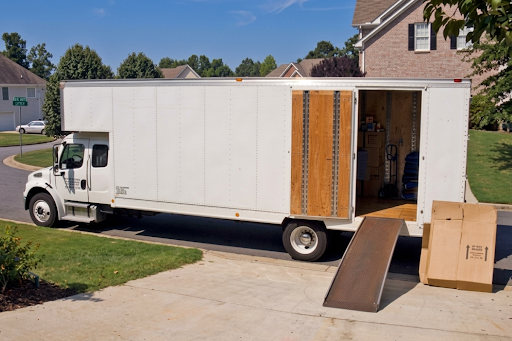
Yes, you can buy a separate policy from an independent insurer for coverage beyond what your mover offers. It's worth looking at when the mover valuation doesn't come close to what your belongings are worth. Like any policy, it comes with its own limits, deductible, exclusions, and claims process.
Deductibles on these policies commonly run $500 to $1,000. A higher deductible usually lowers the premium but raises what you're on the hook for after a loss, so weigh that against what you're protecting.
Third-party coverage can stack with Released Value Protection; the mover stays responsible for up to 60 cents per pound, and the policy picks up part of what's left. The exact split depends on the policy, so read it carefully. These policies typically run 1% to 5% of your shipment's value.
Ask specifically when coverage starts and ends, and whether storage or handling is included; some policies cover the truck ride only.
Can Homeowners or Renters Insurance Help?
Sometimes, a little. Homeowners and renters policies vary widely on this, and many exclude packing damage, breakage, or anything that occurs during handling. Don't assume you're covered just because you have a policy; call your insurer and ask directly, and get any changes in writing.
Ask specifically about limits on jewelry, electronics, artwork, and collections, since general policies often cap those low.
What Determines Moving Insurance Cost?
There's no flat rate here. Cost depends on your mover, your shipment's value, which protection you pick, your deductible, and the policy terms. Moving insurance costs can range from around $300 to $3,000 depending on those factors.
Start with a room-by-room inventory before you shop for coverage. Walk through your house and estimate what it would cost to replace things today, not what you paid years ago; an older item might cost more, or less, to replace now.
Ask for long distance moving cost estimates broken out by valuation option, in writing, so you're comparing apples to apples. Storage periods, extended delivery windows, and transfers between trucks can all change what you need, so ask whether your protection holds through every stage of the move.
A few things are worth comparing side by side rather than judging on price alone:
Total shipment value and per-item limits
Deductible amount
How repairs and replacements are handled
Cash-settlement rules
Whether storage is covered
What events are excluded
Requirements for high-value items
How owner-packed boxes are treated
Claim deadlines and required proof
The cheapest option can leave a big gap between your settlement and what it actually costs to replace your things. The priciest option isn't automatically the right fit either if its limits don't match your shipment. Read the full terms, not just the price tag.
Which Items Need Extra Attention?
Some belongings are worth far more than they weigh. Federal guidelines define an item worth more than $100 per pound as an "article of extraordinary value"; think jewelry, artwork, antiques, silverware, china, and electronics. If your mover requires it, list these in writing, because failing to declare them can limit what you're owed under Full Value Protection.
These items often need an appraisal, receipt, photo, or separate schedule attached to your paperwork. Keep those documents with the rest of your move records, and ask whether a per-item limit applies.
Cash, jewelry, medications, important documents, and small irreplaceable items belong with you, not in a box on the truck. Keep them in a bag you control the whole time.
Which Exclusions Should You Review?
Every policy or valuation option excludes something: owner-packed boxes, concealed damage, moisture, mechanical failure, natural disasters, undeclared valuables. Ask specifically about each one rather than assuming you're covered.
If you pack your own boxes, proving the mover caused the damage gets harder, especially if the outer box looks fine and the break is hidden inside. Ask how your mover treats owner-packed boxes under each option before moving day.
A device that stops working without a visible mark on the outside is often treated differently from something that's obviously dented or cracked. Confirm whether that kind of failure is covered at all.
Storage adds another layer; ask whether the same limits apply in storage as in transit, and whether moisture or temperature damage is excluded. Get answers in writing rather than relying on verbal assurance. If storage exclusions worry you, a third-party policy with broader terms might be worth the extra cost.
What Should You Document Before Choosing Protection?
Good records help you pick the right coverage and back up a claim later if you need one. Photograph valuable items before packing, including close-ups of existing scratches or wear, which protects you from being blamed for damage that was already there.
Build a full inventory and flag high-value items clearly. Keep these together in one folder:
Photos taken before packing
Receipts and appraisals
Model and serial numbers
Current replacement-cost estimates
Written estimates, the order for service, and the bill of lading
Your valuation selection and any insurance documents
Claim instructions and deadlines
Before you sign anything, check the coverage limit, deductible, exclusions, and settlement options. Ask who actually handles a claim and who decides whether an item gets repaired, replaced, or paid out in cash.
Never sign a blank form, and confirm your inventory and valuation choice are complete before the crew leaves.
Also confirm your mover or broker is registered with the Federal Motor Carrier Safety Administration; you can look this up directly at fmcsa.dot.gov. A carrier moves your belongings directly; a broker arranges that through a carrier. Know which one you're actually dealing with.
What Are the Long Distance Mover Insurance Requirements?
Federal rules require interstate movers to give you written valuation information and offer both Full Value Protection and Released Value Protection. You choose which one applies to your shipment.
That requirement doesn't mean your mover has to sell you a separate insurance policy, valuation is a contractual responsibility, not insurance. Third-party coverage is a different product, regulated under state insurance law rather than federal moving rules.
Your mover also has to tell you about its dispute-settlement program for loss and damage claims. Hold onto that information; you may need it if you disagree with how a claim gets resolved.
What Should You Do After Delivery?
Inspect everything as soon as it arrives. Walk through the shipment against the mover's inventory and write down anything missing or damaged.
Check for crushed boxes, punctures, water marks, and broken seals before you even open them. Photograph damaged cartons first, clearly enough to show the box, the label, and the inventory number.
Note any visible damage directly on the delivery paperwork, and don't sign anything that releases the mover from responsibility without reading it first. Open boxes one at a time, test electronics and appliances if it's safe to do so, and hold onto damaged items and packing materials until your claim is done.
How Do You File a Moving Claim?
Contact your mover right away and ask for their written claim process. Identify each damaged or missing item clearly, and follow their instructions, repair or replacement estimates may be part of what's required.
Federal rules generally give you nine months from delivery to file a written claim, but don't wait that long. Acting fast preserves evidence and makes your account of what happened easier to back up. Keep proof of when and how you filed.
Your mover generally has 30 days to acknowledge a written claim and 120 days to give you a decision or explain the delay.
Keep copies of every message. Include receipts, appraisals, photos, and estimates when you have them, and follow the mover's dispute process if you disagree with the outcome.
Frequently Asked Questions
What does long-distance moving insurance cover?
It depends on whether you're relying on mover valuation, a separate policy, or both; that choice determines what's actually covered in transit and during handling. Coverage may include repair, replacement, or a cash settlement, and exclusions still apply either way.
Is moving valuation protection the same as insurance?
No. Valuation is your mover's contractual responsibility for your shipment. Third-party insurance is a separate product regulated under state law. The two can work together.
What's the difference between Full Value Protection and Released Value Protection?
Full Value Protection can mean repair, replacement, or a cash settlement. Released Value Protection caps liability at 60 cents per pound per item under federal rules. Released Value is free but offers minimal protection.
How much does long-distance moving insurance cost?
It depends on your shipment's value, your mover, your deductible, and which protection you pick. Released Value is free; Full Value Protection and third-party policies both add cost. Ask for the exact number in writing.
Does homeowners insurance cover belongings during a long-distance move?
Sometimes, partially; coverage varies a lot by policy, and packing damage or transit breakage is often excluded. Check your current policy before assuming anything.
Are antiques, jewelry, artwork, and electronics covered?
It depends on how they're declared. Anything worth more than $100 per pound may count as an article of extraordinary value under federal guidelines, which can require separate documentation or limits.
Are owner-packed boxes covered if something breaks?
It's harder to prove the mover's fault when you packed the box yourself. Coverage depends on the cause of damage and the written terms; ask before moving day.
How do you calculate how much moving protection you need?
Build an inventory and estimate current replacement cost, paying close attention to jewelry, electronics, artwork, and collections. Compare that total against available limits and deductibles.
How long do you have to file an interstate moving claim?
Generally, nine months from delivery under federal rules, but inspect your shipment and notify your mover right away regardless.
What documents are needed for a moving damage claim?
Usually the inventory number, photos, receipts, appraisals, and repair or replacement estimates. Keep the damaged item and its packaging until the claim is resolved.
Choose Protection Before Moving Day
Insurance and valuation won't prevent damage, but they determine what happens if it does. Build your inventory, price out replacement costs, compare your options, and actually read the exclusions before you sign anything.
Pittsburgh long distance movers can vary quite a bit on valuation costs, deductibles, and claims process, and a rental truck arrangement works differently than hiring a full crew. Extra Hands PGH offers packing and long distance moving services for households and businesses across the area.
Contact our team to go over your inventory and your protection options before you book.



Comments