
Moving Fragile Items for a Long-Distance Move

A long-distance trip exposes fragile belongings to hours of vibration, turns, stops, stacking pressure, and shifting weight. Glassware, mirrors, artwork, electronics, lamps, antiques, and family heirlooms can all respond differently to those forces. Careful packing should protect each item from movement, pressure, and direct contact.
Extra Hands PGH LLC offers packing and long-distance moving help for households and businesses, and our team can walk through your inventory with you before moving day. Moving fragile items for a long-distance move begins with an inventory, suitable materials, and a packing method matched to each item.
The following steps can help you decide what to pack yourself and what may need professional attention, and when it's worth asking Extra Hands PGH for a quote.
What Makes Fragile Items Riskier During a Long-Distance Move With Long Distance Movers?
A longer trip gives belongings more time to shift, vibrate, and press against nearby items. Sudden stops and tight turns can also move boxes that were not secured correctly. Weak cartons and open space increase these risks.
Fragile items do not all break in the same way. Plates have vulnerable rims, glassware has thin walls, mirrors have exposed edges, and lamps often contain hollow sections. Electronics may have moving parts, screens, or connections that require a different type of protection.
Inspect every item before packing it. Look for existing cracks, chips, loose pieces, damaged cords, or weak joints. A small problem can become worse during a long trip.
Create an inventory of fragile and valuable belongings. Give each item or box a number and photograph its condition before wrapping it. Keep receipts, appraisals, model numbers, and serial numbers with your moving records when available.
Decide which belongings you can pack with confidence. Large glass pieces, valuable artwork, sculptures, antiques, and unusually shaped items may require professional packing or a custom crate. Making that choice early gives you time to obtain the correct materials.
Which Packing Supplies Protect Fragile Items Best?
Gather all materials before packing begins. The best packing materials for fragile items provide surface protection, impact cushioning, and firm support. Using several suitable layers often works better than relying on one material.
Helpful supplies include:
Sturdy small and medium moving boxes
Reinforced dish-pack boxes
Mirror and picture boxes
Electronics boxes
Double-wall cartons
Clean packing paper
Bubble wrap
Foam sheets
Cardboard dividers
Corner protectors
Packing peanuts
Furniture pads
Strong packing tape
Permanent markers
Fragile and directional labels
Anti-static bags or foam for suitable electronics
Choose boxes for fragile items that fit without squeezing the contents. A box that is too large leaves room for movement, while a box that is too small may press against weak areas. Never use a damp, crushed, torn, or weakened carton.
Clean packing paper for moving protects finished surfaces and prevents light scratches. Bubble wrap for fragile items provides more impact cushioning around glass, ceramics, and other breakables. Foam sheets can separate flat surfaces without adding too much bulk.
Packing peanuts and crumpled paper can fill gaps. This material is called void fill because it fills space that would otherwise allow an item to shift. Void fill should stop movement without placing heavy pressure on the contents.
Use anti-static packing materials for electronics when appropriate. Regular foam, plastic, or loose materials may create static electricity around sensitive parts. Follow the packing guidance provided for the device when it is available.
Custom crating for fragile items may be appropriate for oversized, unusually shaped, or highly valuable belongings. A custom crate is a rigid container made to fit and support a specific item. It can provide stronger protection than a standard cardboard box.
What Is the Safest Way to Wrap and Box Breakables?
Clean and dry every item before wrapping it. Dirt trapped beneath paper can scratch a finish, while moisture may cause marks, odors, or other damage. Remove detachable or moving parts when the item's design allows it.
Wrap each fragile piece separately. Protect corners, handles, stems, rims, screens, and other weak points with added cushioning. Do not allow delicate surfaces to touch one another.
Build a thick, even cushioning layer across the bottom of the box. Make sure the material reaches every corner.
The first item should never rest directly on the cardboard base.
Place sturdier items toward the bottom and lighter pieces above them. Do not create a stack that places weight on delicate surfaces. Use separate boxes when two item types need different support.
Fill every opening around the items with crumpled paper, foam, or bubble wrap. The contents should not slide, tilt, or strike the box walls. Avoid packing the material so tightly that it bends or squeezes a fragile piece.
Perform a gentle movement test before sealing the carton. Hold the box carefully and listen for rattling or shifting. Add more cushioning if anything moves.
When Should You Double-Box a Fragile Item?
Double-boxing fragile items means placing a padded inner box inside a larger cushioned box. This creates another layer between the item and outside impacts. The method works well for delicate electronics, collectibles, glass, and valuable ceramics.
Wrap the item and secure it inside the first box. Place that carton inside a larger box with cushioning on the bottom, sides, corners, and top. The inner box should not touch the outer box.
Make sure both cartons remain square and close without pressure. Seal each one separately with strong packing tape. Label the outer carton with the contents and correct upright direction.
Does Every Fragile Item Need the Same Packing Method?
No single method can protect every breakable item. Long-distance fragile item packing should reflect the item's material, shape, weight, and weak points. A plate, television, antique vase, and framed print should not be packed the same way.
Odd-shaped objects often need their own boxes. Protruding handles, arms, or decorative pieces can damage nearby items or break under pressure. Support these areas without forcing them into a container that is too small.
How to Pack Dishes and Plates
Wrap every plate separately when packing dishes for a long-distance move. Place wrapped plates vertically like records instead of stacking them flat. Add cushioning between the rows and every wall of the box.
Use dish-pack boxes for large or delicate collections. Keep heavy everyday dishes separate from thin china and glassware. Fill curved spaces around bowls so the contents cannot shift.
How to Pack Glassware and Stemware
Protect each glass separately before anything else. Place loosely crumpled paper inside each glass without pressing against the walls. Cover the rim and outside with clean packing paper or bubble wrap.
Use divided cells and keep glasses upright whenever possible. Wrap narrow stems before covering the bowl and base of each wine glass. Keep heavy plates and serving dishes in another box.
How to Pack Mirrors and Artwork
Protecting a mirror for a long-distance move starts with the glass, edges, and corners. Add clean surface protection, fitted corner guards, and a suitable mirror box. Do not place tape directly on the glass or frame.
Artwork needs the same basic steps. Use acid-free or nonreactive materials against valuable surfaces when appropriate. Keep framed pieces upright when their construction requires that position.
Large mirrors and valuable artwork may need rigid support or custom crating. Do not place several unprotected frames together. A qualified packer can recommend protection based on the frame, glass, canvas, and finish.
How to Pack Lamps
Remove the shade, bulb, and other detachable parts before packing a lamp. Pack each component separately because the base and shade need different support. Do not place a lampshade in the same box as a heavy lamp base.
Use a box that fits the shade without bending it. Wrap the base and protect switches, sockets, and decorative pieces. Keep the cord secured without pulling it tightly around the lamp.
How to Pack Electronics
Use the original packaging when it is complete, dry, and still strong. Manufacturer packaging often includes fitted supports for the screen and internal parts. Replace damaged foam or cardboard before using the box again.
Back up important data when possible before packing electronics for a move. Photograph the cable connections, label each cord, and remove loose accessories. Keep small parts in labeled bags.
Protect screens with a clean, soft layer and rigid support. Use anti-static materials where appropriate and avoid loose packing pieces that may enter vents. Keep electronics dry and in the correct position during transportation.
How to Pack Antiques and Collectibles
Packing antiques for a move starts with understanding the item's age, material, and condition. Some surfaces can react with plastic, adhesive, ink, or acidic paper. Use clean materials that will not scratch, stain, or stick to the finish.
Remove detachable parts only when the design allows it. Photograph every piece and keep hardware in labeled bags. Valuable or irreplaceable antiques are often high-value items that may need an appraisal and professional packing.
Avoid making repairs immediately before the move unless a qualified person recommends them. Fresh glue, paint, or finish may not be ready for wrapping. Weak or damaged areas should be identified before anyone lifts the item.
How Should Fragile Boxes Be Labeled?
Label the top and at least two sides of every fragile carton. Include "Fragile," the destination room, and a short description of the contents. Add "This Side Up" arrows when the correct position matters.
Number each box and match it to your inventory. A label such as "Kitchen 4: Wine Glasses" is more helpful than "Kitchen." Detailed labels make unloading and inspection easier.
Tell the moving crew which boxes contain unusually valuable or delicate belongings.
Do not rely on labels alone to protect the contents. Proper wrapping and firm cushioning remain essential.
Where Should Fragile Boxes Go in the Moving Truck?
Keep fragile boxes upright while carrying and loading them. Place each carton on a flat, stable section of the truck.
Do not turn a marked box on its side to fit a small opening.
Avoid placing furniture, equipment, or heavy boxes on top of fragile cartons. Secure surrounding items so they cannot slide or fall into them. Use straps and padding to keep the load stable.
Glass, mirrors, artwork, and screens may need to remain upright. Use the correct packing and transport position for each item. Keep hard edges and metal parts from pressing against protected surfaces.
Fragile boxes require careful placement during long distance moving services because they may spend more time exposed to road vibration. A stable load helps reduce sliding when the truck turns or stops. Check that no loose objects can fall onto the cartons.
When Should You Use Professional Packing Services or Custom Crating?
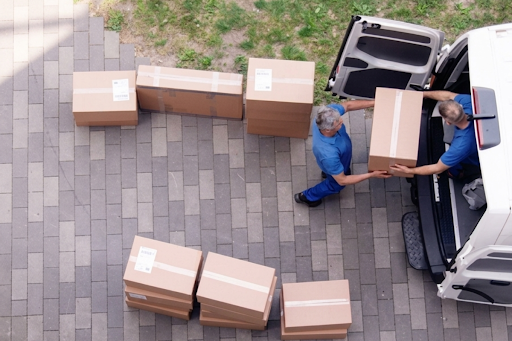
Professional packing may be worth considering for oversized, valuable, irreplaceable, or difficult-to-pack belongings. It can also help when you have a large fragile collection or a short deadline, and some items, such as pianos, require advanced notice for moving services.
You do not need to treat every household item as a specialty piece.
Custom crating may be appropriate for large artwork, glass tabletops, sculptures, antiques, and specialty electronics. The crate should support the item without placing pressure on weak points. Interior padding should prevent contact with the rigid outer structure.
A professional packer can select materials based on the item's weight, finish, shape, and condition. Before hiring a long-distance moving company, request a written quote early so you can compare packing requirements and costs.
Confirm which items the company will accept and how they must be packed. Get the packing and transportation terms in writing.
Ask how the mover treats boxes you pack yourself. Owner-packed cartons can make a damage claim harder to establish. Poor packing may also affect the mover's responsibility when it causes the damage. Extra Hands PGH offers both full-service and standard long-distance moving options.
Which Protection Options Apply to an Interstate Move?
By federal law, interstate movers must offer you two levels of protection: Full Value Protection and Released Value Protection. These describe the mover's legal responsibility for your belongings, often called valuation, not a standard insurance policy.
Full Value Protection is the stronger option. If something breaks, the mover can repair it, replace it with a similar item, or pay you its current market value. Costs and deductibles vary by mover, so read the written terms before you choose.
Released Value Protection costs nothing extra, but it barely covers anything. The mover's responsibility tops out at 60 cents per pound, per item, regardless of what the item is actually worth.
A five-pound heirloom vase and a five-pound paperback would both max out at $3. Weigh that against what your fragile belongings are actually worth before picking this option.
There's one more wrinkle: movers can limit their responsibility for items worth more than $100 per pound, jewelry, china, antiques, silverware, unless you list them on the shipping documents in writing.
Third-party insurance is worth a look too; its price, coverage, and exclusions depend entirely on the policy, so read those terms separately from the mover's valuation paperwork.
Which Items Should You Carry Personally?
Keep cash, jewelry, medications, personal documents, and small irreplaceable items with you. These belongings should not be placed in an ordinary moving box. Use a secure bag or case that remains under your control.
Consider carrying passports, financial records, keys, and small electronic devices personally. Check which items the mover does not accept before packing. Do not place hazardous or restricted materials in the shipment.
Some valuable items may be too large to carry yourself. List those items in writing and keep photographs, receipts, appraisals, and serial numbers. Confirm how they will be packed and identified on the moving documents.
What Should You Do When Fragile Items Reach the New Home?
Compare the delivered boxes and individual items with your inventory. Look for missing numbers and inspect every carton for crushing, punctures, water exposure, or open seams. Photograph visible box damage before opening anything.
Move each carton to a stable, padded surface. Remove one wrapped piece at a time instead of emptying the box quickly. Keep the packing materials nearby until you have inspected the contents.
Check each item for cracks, chips, missing parts, or operating problems. Allow electronics to adjust after exposure to very cold or hot temperatures before turning them on. Do not discard a damaged item.
Keep the box, wrapping, dividers, and other packing materials if you find damage. Photograph the item and all surrounding protection. These details can support a written claim.
Notify the mover promptly and follow its written claims process. Include inventory numbers, photographs, receipts, appraisals, and repair or replacement estimates when requested. Keep copies of every document you submit.
For an interstate move, federal rules generally allow nine months from delivery to file a written loss or damage claim. Acting sooner makes it easier to preserve evidence and describe what happened.
The mover's claims information should explain the submission process.
Frequently Asked Questions
What Is the Safest Way to Move Fragile Items Long Distance?
Wrap each item on its own, use a box that fits it snugly, and cushion every weak point. Fill any space so nothing can shift, then secure the boxes on a flat section of the truck. An inventory lets you check everything against your list at delivery.
Which Packing Materials Are Best for Fragile Belongings?
Clean packing paper, bubble wrap, foam sheets, corner guards, dividers, and sturdy boxes cover most fragile items. Electronics may need anti-static materials, and oversized or high-value pieces sometimes call for a custom crate.
Should Every Fragile Item Be Wrapped Separately?
Generally, yes, it keeps hard and delicate surfaces from touching. Items with similar weight, shape, and support needs can sometimes share a box once each is individually wrapped.
How Do You Stop Fragile Items From Moving Inside a Box?
Pack cushioning into the bottom, sides, corners, and top, then give the sealed box a gentle shake before taping it shut. If anything shifts or rattles, add more padding.
When Should You Double-Box a Fragile Item?
Reach for double-boxing when an item is especially delicate, valuable, or sensitive to impact; think antique glass or electronics. It's the extra layer of protection those pieces are worth.
How Should Fragile Boxes Be Placed in a Moving Truck?
Upright, on a flat and stable section of the truck, with nothing heavy stacked on top. Strap down nearby furniture and boxes so nothing can slide into them in transit.
Are Owner-Packed Fragile Items Covered If They Break?
It depends on the cause of the damage, the valuation level you chose, and the mover's written terms. Boxes you pack yourself can be harder to claim on than professionally packed ones, so ask your mover how they're handled before moving day.
Which Fragile Items Need Custom Crating?
Large glass pieces, sculptures, valuable artwork, specialty electronics, and irreplaceable antiques are the usual candidates. It comes down to the item's size, weight, shape, value, and how exposed its weak points are.
Should Valuable Fragile Items Travel in the Moving Truck?
Keep cash, jewelry, medications, and small irreplaceable items with you instead. Larger valuables can travel in the truck, but only once they're properly packed, documented, and accepted by the mover.
What Should You Do If a Fragile Item Is Damaged During Delivery?
Photograph the item, its box, and the packing materials before you move or toss anything. Then notify the mover right away and follow their written claims process, keeping copies of everything you submit.
Protect Fragile Belongings From Packing Through Delivery
Moving fragile belongings over a long distance requires more than adding a fragile label. Use sturdy boxes, wrap each item, protect every weak point, and fill all open space. Keep a clear inventory and check each piece after delivery.
Pittsburgh long distance movers may offer different packing, valuation, and claims terms, so it's worth comparing before you commit.
Extra Hands PGH handles residential and commercial long-distance moves throughout the Pittsburgh area, with packing services available for households that want the fragile items handled by someone who does this every day.
Contact our team to discuss your fragile belongings and request a free quote based on your moving needs, location, and schedule


Comments