
Long Distance Moving Checklist

The coffee was still warm in Pittsburgh, but the realization that we were in for a long haul of moving had finally sunk in. Staring at an empty room full of cardboard boxes is one thing, but a map that stretches over three time zones is a whole different ball game.
Who hasn’t been there, standing in a living room that suddenly feels like a giant jigsaw puzzle with missing pieces?
Moving across the street is a Sunday afternoon chore, but moving across the country is a whole different story. A long-distance move is challenging. It requires careful planning, organization, and attention to detail, like packing, utility transfers, and creating a timeline to ensure everything goes smoothly.
It needs a script, a director, and a set of wheels that’ll keep up. At Extra Hands Pittsburgh, we know that the secret to making a smooth relocation isn’t just about hefting boxes, it’s about pulling off a well-orchestrated operation.
In this guide, we’re going to spill the beans on what really happens behind the scenes of a long-distance move. We want to help you transform that daunting to-do list into a done list and turn your move from a chaotic scramble into a well-choreographed journey.
How to get your act together for a long-distance move
Getting Your Timing Right - The 8 Week Countdown
We tell our clients that time is the one commodity you can’t buy more of when you’re moving. Starting two months out might seem like overkill, but trust us, those eight weeks disappear faster than packing tape at a building site.
The first step in our collaboration is setting a countdown and ticking off that long-distance moving checklist. Week eight is all about dreaming and research, while week one is when the final checks happen and any last-minute panic sets in.
By breaking the move into manageable bits, we make sure no single day feels like climbing a mountain.
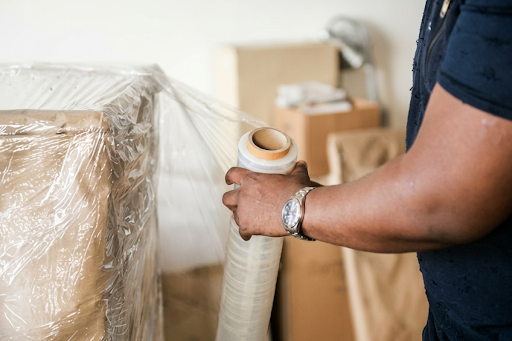
Before you begin packing, gather all necessary packing supplies, boxes, tape, bubble wrap, and markers early in the process. Making a plan to begin packing well in advance helps you stay organized and avoid last-minute stress.
We recommend setting reminders on your phone for every major milestone, so you stay on track. This keeps the momentum going even when you’re feeling exhausted. A steady pace beats a last-minute sprint every single time in the world of relocation.
Telling It Like It Is - All the Hidden Costs
Working out a budget for an interstate move is like peeling an onion; there’s always another layer that pops up. Moving expenses can add up quickly, so it’s crucial to account for all potential costs when planning your relocation.
We often see people focus solely on the moving estimate, but the hidden fees are what usually catch them off guard.
You’ve got to account for fuel, tolls on the interstates, and lodging if your trip takes a few days. And don’t even get me started on the cost of “road snacks” and takeout. All these extras can add hundreds to your final bill.
The best way to approach all this is to pad your initial budget for unexpected expenses. Having some wiggle room in your finances means you can breathe a bit easier when a detour comes up or a rainy day hits.
It’s all about buying peace of mind before you even turn the key on the moving truck.
Checking Out the Competition - How to Find a Reputable Mover
If you’re hiring long-distance movers in Pittsburgh, you’re not just looking for muscle; you’re looking for a company that knows the ropes. Choosing professional movers ensures you’re working with experts who are experienced, reliable, and equipped to handle the complexities of long-distance relocations.
Every legit long-distance partner must be registered with the USDOT. We always check the Better Business Bureau and review sites to see how they’re rated. Seeing a valid registration is the gold standard for long-distance moving companies.
We want to know that your precious belongings are in the hands of pros, not some guy with a van.
Don’t be afraid to ask for a binding quote to avoid last-minute price hikes. The best companies are transparent about their pricing and their processes. Hiring long-distance movers can make your long-distance move more stress-free and efficient, giving you peace of mind throughout the process.
Working with a moving company should feel like gaining a teammate, not some mysterious third party.
The Ultimate Long Distance Moving Checklist
To help you stay on track, we’ve put together a list of the essentials in a scannable timeline. Use this to keep your cross-country move on schedule from the first box to the final delivery.
This checklist is designed to guide you through each stage of the moving process, helping you manage planning, preparation, packing, transportation, and unpacking for a smooth transition.
8 Weeks Before: Getting Down to Business
Research and hire a moving company with a good reputation and interstate authority.
Get a moving estimate in writing so you can compare prices.
Start a moving folder to keep your moving contract and important documents organized.
Research your new neighborhood to find out where the local shops and hospitals are. Evaluate the available healthcare facilities, including hospitals and medical offices, to ensure they meet your individual or family healthcare needs.
6 Weeks Before: Time to Downsize
Have a good, clear out, and host a garage sale for anything you no longer need.
Order some good quality moving supplies like cardboard boxes and bubble wrap. Make sure to choose the right moving boxes, as they are essential for protecting and organizing your belongings during the move.
Get records from your kids' schools and doctors.
Let your real estate agent know your preferred moving date so you can sync your timelines.
4 Weeks Before: Time to Get Packing
Start packing up anything you don't use regularly, like out-of-season clothes and books.
Label your boxes clearly so you can keep the packing process organized.
Get in touch with your current utility providers to shut off your services for your moving date.
Get a quote from your new utility companies for when you move in.
2 Weeks Before: Final Checks
Confirm details with your movers, including the moving truck's arrival time and all arrangements, to ensure everything is set for moving day. Update your address with the post office, IRS, and all those financial institutions you’ve been letting slide.
If you find yourself needing a new driver’s license, better get on that asap, state regulations may catch you off guard.
Plan your road trip carefully if you’re driving to your new place; you don’t want to get stuck on the wrong trail.
Moving Day: The Big Event, Finally!
Take a last walk through to make sure you really are leaving nothing valuable behind.
When the movers arrive, double-check that the bill of lading, you want to make sure everything is on there.
Keep your essentials and valuables in your own car, just in case.
Hand over those keys and get ready to hit the open road.
What should be on my 8-week moving checklist, anyway?
The Home Audit
Each pound we lug across state lines is costing us real money and real energy. That’s why we love the home audit; it’s a chance to ‘edit’ your life before starting fresh in a new place. Any item you haven’t used in a year probably can stay behind.
Sorting things into ‘keep,’ ‘sell,’ and ‘donate’ bins can be a surprisingly fun process. We love seeing our clients host garage sales or just flog a few unwanted items online, all to fund their new digs. It’s one way to turn the burden of all that stuff into a fresh start and a lighter load for the movers.
The thing is, moving costs are often directly tied to how heavy your stuff is. The average weight of a long-distance move can significantly impact your total moving expenses, so reducing your shipment size can lead to substantial savings.
So, clearing out the attic now will just put real cash back in your pocket. It’s instant cost savings for you, just by getting rid of the junk.
Gathering Records
A cross-country move is about more than just boxes and trucks; it's about getting your digital life and paperwork in order. We always get people forgetting about their old healthcare providers back in Pittsburgh; you'll need to get copies of those medical records.
And if you've got kids in school, don't forget to get those records sorted well in advance, you'll need them to get them started in their new school. And don't forget about your pets; get those vaccination records from the vet.
Keep all these records in some kind of 'moving binder' that you keep close to the vest. We treat it like the holy grail of moving documents.
Creating a Moving Binder
The chaos of a move thrives on lost papers and forgotten emails; that's why we love a good moving binder. It's a physical place to keep all your moving contracts, the inventory list, and all your receipts.
Having a hard copy of the contract is a lifesaver if you lose a phone signal in the middle of nowhere. And yeah, put the floor plan of the new place in there too, so you know exactly where your furniture is going.
This binder is the one thing that stays with you in the car.
Careful planning is the best antidote to all the stress of a cross-country move. When you have everything all in one place, you're not just moving, you're managing it. It gives you the confidence to deal with whatever the road throws at you.
How do I manage logistics when moving out of state?

Updating Your Address
Updating the post office is just the tip of the logistical iceberg. Don't forget to tell the IRS, too, especially if you are in the middle of tax season. And get on voter registration for your new neighborhood, while you're at it.
You need to sort out all your bills and subscriptions to make sure they get sent to the right place. From your streaming services to that monthly snack box, everything needs a new address on it.
Don't forget to get your employer's HR department in the loop for tax purposes; you want your mail to keep following you around.
Transferring Utilities
There's nothing quite as weird as showing up to a new house with no power or light. We get our current utility providers to turn off the utilities the day after we leave, and we book the new ones to turn them back on the day before we arrive.
We recommend checking on the local rules and regulations in your new state, too. Some places have their own energy markets that let you shop around for different deals.
Set up your internet and cable well in advance; a house isn't really a home if you can't get that Wi-Fi working properly.
Vehicle Shipping vs. Driving
Do you ship your car, or do you drive it? We weigh up the costs of hiring a transport company against the cost of the road trip. Driving gives you a bit of a holiday, and you can cram more stuff in the trunk.
However, shipping your vehicle will literally save you thousands of miles of wear and tear. And if you're moving solo or have multiple cars, a transport company is by far the safer bet. And let's be honest, we also factor in the time it takes to drive, which is just as costly as the gas alone.
If you choose to drive, we actually plan the route with safety and comfort top of mind. There's no getting around the fact that checking your driver’s license expiration and making sure your car is road-ready is a total no-brainer.
If you're moving to a different state, remember that you'll need to obtain a new driver's license from the local DMV and follow any state-specific requirements. We're not just talking about getting from point A to point B; we're aiming to make this a memory-maker, not a heart-stopping breakdown story.
What are the best packing strategies for long hauls?
High-Quality Materials
In a local move, a flimsy box might make it through a short drive. But on a long-distance haul, the same box faces days of constant jolting around. At Extra Hands Pittsburgh, we've simply got to use top-notch packing materials for any move over state lines; that’s just the way it is.
A simple trick that prevents disasters is double-taping the bottom of every carton. We also use plenty of packing paper and bubble wrap to fill in every gap in the box. If something is gonna jiggle around in there, it's gonna break, so we pack it in real tight.
We’re also big believers in labelling; it’s our secret weapon for a stress-free experience. We label boxes with what room they belong in and what’s inside. That way, the movers can find what they need in a flash once we hit the driveway.
For long-distance moves, consider using a moving container as a cost-effective and versatile alternative to a traditional moving truck. Moving containers can be delivered to your home, packed at your own pace, and then shipped to your new location, making them a flexible option for interstate relocations.
Specialty Item Care (aka Electronics and Fragile Stuff)
If you've got electronics and heirlooms to move, that requires extra special care. We recommend using the original packaging for TVs and monitors whenever it's available. If not, then it's worth the extra cash to get some specialised moving supplies, things like mirror boxes.
Highway vibrations can loosen internal components over several days; it's a real thing. We use anti-static wrap for computers and make sure everything is nice and padded from all sides with moving blankets. And for fragile art, we often recommend ‘crating it up’ to ensure its safe arrival.
We treat these items like VIPs, with extra special care and attention. And it's a lot better to err on the side of caution and over-protect than to have to deal with the heartbreak of a broken heirloom later on.
What belongs in a long-distance moving essentials box?
First Night Survival With The Essentials Kit
We've got a simple rule: the Essentials Box stays with us in the car, never on the truck. This box is like a little "survival kit" for the first 48 hours. Think of it as a get-me-through-the-night kind of deal.
Toiletries, towels, and basic cleaning supplies are the foundation of this kit. We include chargers for all the devices and a change of clothes for everyone. And having a roll of toilet paper and some paper plates can save a last-minute trip to the local shops.
We want your first night in the new house to be all about celebration, not searching for a toothbrush. This box just bridges the gap between arrival and unpacking; it keeps the family calm and comfortable while the heavy lifting gets done.
Important Documents
Some things moving insurance can't replace, like your passport and important documents. We always keep those in a secure bag and with us in the cabin of the car at all times.
The same goes for your real estate agent contact info and the moving contract.
If there's a dispute or question when we arrive, you don't want to be digging through 50 boxes to find a single piece of paper. We keep these "life essentials" close by at all times.
By keeping these close, we avoid the panic of digging through boxes to find a single form. It's about maintaining control over your most sensitive info. We treat these papers like the most valuable cargo on the journey.
How do I handle moving day and arrival?
The Final Walkthrough
Before we lock up for the last time in Pittsburgh, we do a final sweep of the place. We check the backs of closets, the high shelves in the pantry, and the corners of the attic. It's crazy how often a stray charger or a single shoe is left behind.
We make sure all the windows are locked, and the thermostat is set to an "away" temperature. Turning off the water main can also prevent any nasty surprises for the new owners when the house sits empty.
This is like our final goodbye to the old space. Taking photos of the empty rooms is a great way to document the condition of the house. It gives us peace of mind for security deposit returns or final sales agreements. We leave the keys where they belong and start our new life.
Reviewing the Bill of Lading by Checking the Fine Print
On moving day, the Bill of Lading is the single most important document you'll sign on moving day. It's the official contract between the moving company and us. Double-check that the delivery window and the final price match what we first estimated in the moving quote.
We make darn sure that all moving services, like packing or getting stuff up the stairs, are clearly spelled out in black and white. If anything seems off at the last minute, we address it straight away before the truck even leaves the yard.
This document really is our safety net and our roadmap for the journey ahead.
Hang onto that paperwork and keep it in your moving binder at all times. For us, that piece of paper is the equivalent of a title deed for your belongings while they're in transit.
A clear-cut contract is the foundation of a professional working relationship.
Post-Move Tasks - What to Do After the Boxes Arrive
When the moving truck finally pulls away, and your boxes are stacked in every corner, it might feel like the hard part is over, but the real settling in is just beginning. The first few days in your new house are all about turning a pile of boxes into a comfortable home.
Start by tackling the essentials, update your address with the post office so your mail finds you, and make sure all your utilities are up and running. If you worked with a professional moving company, now’s the time to inspect your belongings for any damage and report issues right away.
Most moving companies have a window for claims, so don’t delay. Some professional moving companies even offer unpacking services or can give you tips on how to get organized quickly. The key is to approach this phase with the same careful planning you used for the move itself, so you can enjoy your new space sooner.
Unpacking with a Plan, Room by Room
Unpacking can feel overwhelming, but breaking it down room by room makes the process manageable and keeps your new house organized from the start. Begin with the rooms you’ll use most, think bedrooms, bathrooms, and the kitchen.
Use your floor plan to decide where furniture and larger items should go before you start opening boxes. Since you labeled boxes during the packing process, you’ll be able to find what you need without digging through everything at once.
Some people find it helpful to color-code boxes by room for even faster sorting. As you unpack, take a moment to clean each space, especially the kitchen and bathrooms, so you’re starting fresh.
This methodical approach helps you settle in at your own pace and ensures nothing gets lost in the shuffle.
Setting Up Utilities and Services in Your New Home
Getting your utilities and services set up is one of the most important steps after a long-distance move. Contact local utility companies ahead of your move-in date to schedule connections for electricity, water, gas, internet, and cable.
Compare rates and packages to make sure you’re getting the best deal for your new location. If you have a home security system, arrange for installation or transfer as soon as possible.
Don’t forget to take meter readings when you arrive and notify your previous utility companies that you’ve moved out, so you’re not billed for services you’re no longer using. A little planning here means you’ll walk into a fully functional home, ready to start your new chapter.
Registering Locally
Once you’ve landed in your new neighborhood, it’s time to make things official. Head to the local DMV to get your new driver’s license and register your vehicle. Each state has its own rules, so check requirements early.
If you have school-age children, enroll them in their new school and make sure their school records have been transferred. Update your address with your bank, credit card company, and any other financial institutions to keep your accounts running smoothly.
It’s also important to notify your healthcare providers and insurance companies of your new address to avoid any gaps in coverage. Taking care of these details early helps you avoid headaches down the road and ensures a smooth transition into your new community.
Settling In - Making Your New Place Feel Like Home
Turning your new house into a home is about more than just unpacking boxes; it’s about creating a space where you feel comfortable and connected. Start by arranging your furniture and personal belongings in a way that feels right for you and your family.
Take some time to explore your new neighborhood, locate the nearest grocery stores, parks, and community centers, so you know where to find the essentials. Meeting your neighbors can make a big difference, too; they’re often the best source of local tips and can help you feel at home faster.
The more you get to know your surroundings, the sooner your long-distance move will start to feel like a fresh start rather than just a big change.
Meeting the Neighbors and Exploring Your Community
Getting to know your neighbors is one of the best ways to settle into your new house after a long-distance move. Don’t be shy about introducing yourself; most people appreciate a friendly face and a quick hello.
Consider hosting a small housewarming get-together or attending local events to meet more people in your new neighborhood. Exploring your community is also key, check out local grocery stores, restaurants, and parks, and ask your neighbors for recommendations on the best spots in town.
Joining clubs, classes, or community groups can help you connect with others who share your interests, making your transition smoother and more enjoyable. By taking these steps, you’ll not only make your new house feel like home, but you’ll also set yourself up for a truly stress-free experience in your new location.
FAQs
How much is a long-distance move likely to set me back?
The cost varies wildly depending on how much stuff you’ve got and how far you’re moving it. Typically, you can expect to pay anywhere from $2,500 to $7,000 or more. To avoid any nasty surprises, we recommend getting a free quote from Extra Hands Pittsburgh.
Do I need special insurance for the long haul?
Movers will provide a bit of basic “released value protection” free of charge, but it’s only good for a tiny amount per pound. For the kind of cross-country move we do, we reckon full value protection is a much better bet. It’ll give you some real peace of mind for your valuable items while they’re on the move.
How do I find a reliable moving company in Pittsburgh?
Look for companies with local know-how and proper credentials for long-distance moving. Check out the reviews and make sure they’re fully licensed to do distance moving. We’re proud to say we’re a trusted name in the Pittsburgh community & have a good reputation.
What sort of things are movers not allowed to take on a long-distance trip?
Federal law prohibits the transport of hazardous or flammable materials like aerosols or paints. Perishable foods and certain plants are also more or less off-limits to prevent pest spread. We can give you a full rundown of prohibited items before you start packing.
How long does it take for my stuff to show up?
The “delivery window” is a moving industry standard; it usually ranges from 3 to 14 days. This depends on how far away you’re moving and what else is on the truck at any given time. We keep you in the loop and confirm all the details up until the very end.
Is truck rental a good option for long-distance moving?
Yes, truck rental is a popular and cost-effective DIY moving option for long-distance moves. Renting a truck from companies like U-Haul, Budget, Enterprise, or Penske can be much more affordable than hiring professional movers, especially for interstate moves. This gives you flexibility and control over your schedule and budget.
Conclusion
A long-distance move is a crazy big deal; it's more than just a change of zip code, it's a total life event. By following this checklist, we can strip away all the stress and anxiety and just focus on the excitement.
We genuinely believe that with the right prep work and a team like Extra Hands Pittsburgh on your side, even the longest cross-country move can be a breeze. Your new adventure is just around the corner, and we're here to help you make it happen.
Ready to get moving? Visit Extra Hands Pittsburgh today to get your free quote, and leave all the heavy lifting to us!


soi cầu mb là thứ mình hay nghía mỗi ngày cho kịp trước lúc có kết quả. Thường thì mình xem thêm phần dự đoán xsmb, rồi lật qua mấy thống kê như lô gan hay lô xiên để tự so lại xem dạo này con nào hay quay lại. Trong nhóm mình cũng có người bảo cứ thử đối chiếu XSMB, Rồng Bạch Kim với dữ liệu lịch sử, nếu số liệu ổn thì nhìn tần suất sẽ rõ ràng hơn, đỡ kiểu đoán đại. Mình thấy dự đoán xổ số miền Bắc không phải chỉ dựa vào hên xui, mà nên ghép cầu bạch thủ với dàn đề để sàng lọc cho dễ chọn. Mình hay tham khảo…
Mình mua vé số kiểu cho vui là chính, coi như một trò giải trí nên cũng không đặt nặng chuyện phải trúng to. Trước đây nghe bạn bè rỉ tai đủ kiểu “bắt cầu”, mình cũng thử ngó qua cho biết, rồi lâu lâu lại thấy vài con số xuất hiện lặp lại nên tò mò hơn chút. Có lúc mình đọc vài bài nhận định, tiện tay ghi lại vài ý để sau đó so với kết quả, xem có phải mình đang tự huyễn hoặc không. https://soicauxsmb.io/tan-suat-lo-to-xsmb.html mình cũng ghé thỉnh thoảng để đọc thêm cho đỡ buồn và có chuyện tám với mọi người. Trúng được ít thì vui, nhưng sai liên tục cũng nhiều nên…
Jual Fotocopy catalogs frequently present multiple devices with similar technical details, yet environmental factors such as operating volume and maintenance intervals may shape reliability differently. Long-term efficiency patterns appear less visible in standard product listings. A few external breakdowns hint at this contrast, though comparative data remains limited.